Jumping Formats: My First Foray into Medium Format with the Bronica S2A
From 35mm to a 6x6 powerhouse. My first impressions, camera comparisons, and initial sample shots shooting medium format film with the vintage Zenza Bronica S2A.
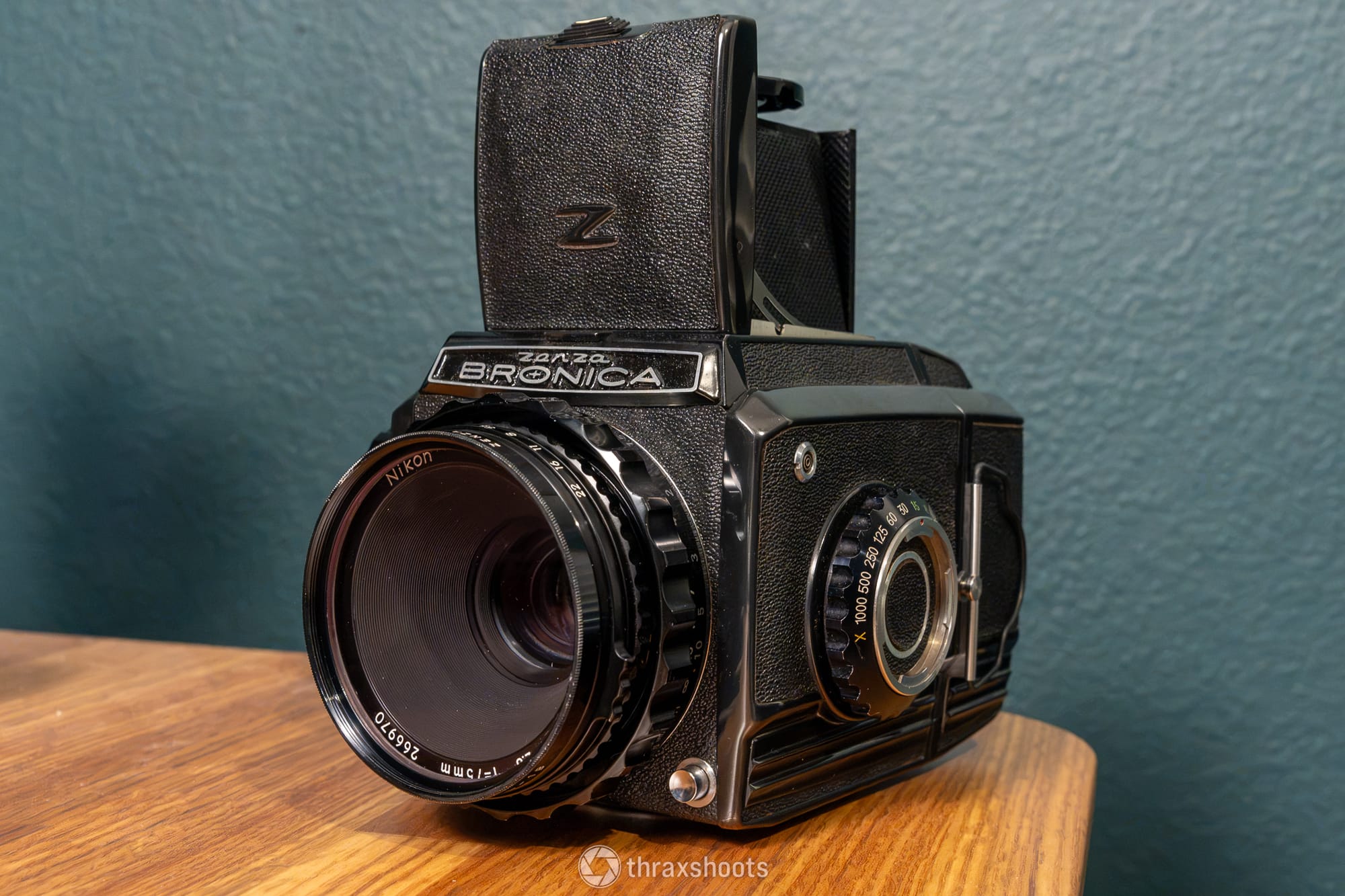
After getting into 35mm film, I started to see more and more pictures of film, that just had a look that was visually appealing but I just couldn't put my finger on what it was. Now a year into my film journey, I realized all of those pictures had one thing in common, they were medium format, 120 film. So I went back and forth looking at options, there's a lot of options, but unlike 35mm they're often vastly more expensive. Unless you have some amazing luck you're not stumbling upon a working medium format camera for $25, like I did with my 35mm Yashica FX-3 Super 2000.
The jump into medium format comes with so many questions, because unlike 35mm where you have half-frame, then full frame, with medium format you have 6x4.5, 6x6, 6x7 as common ratios, each of these come with the caveat of the different amounts of frames you get per picture, and of course the aspect ratio
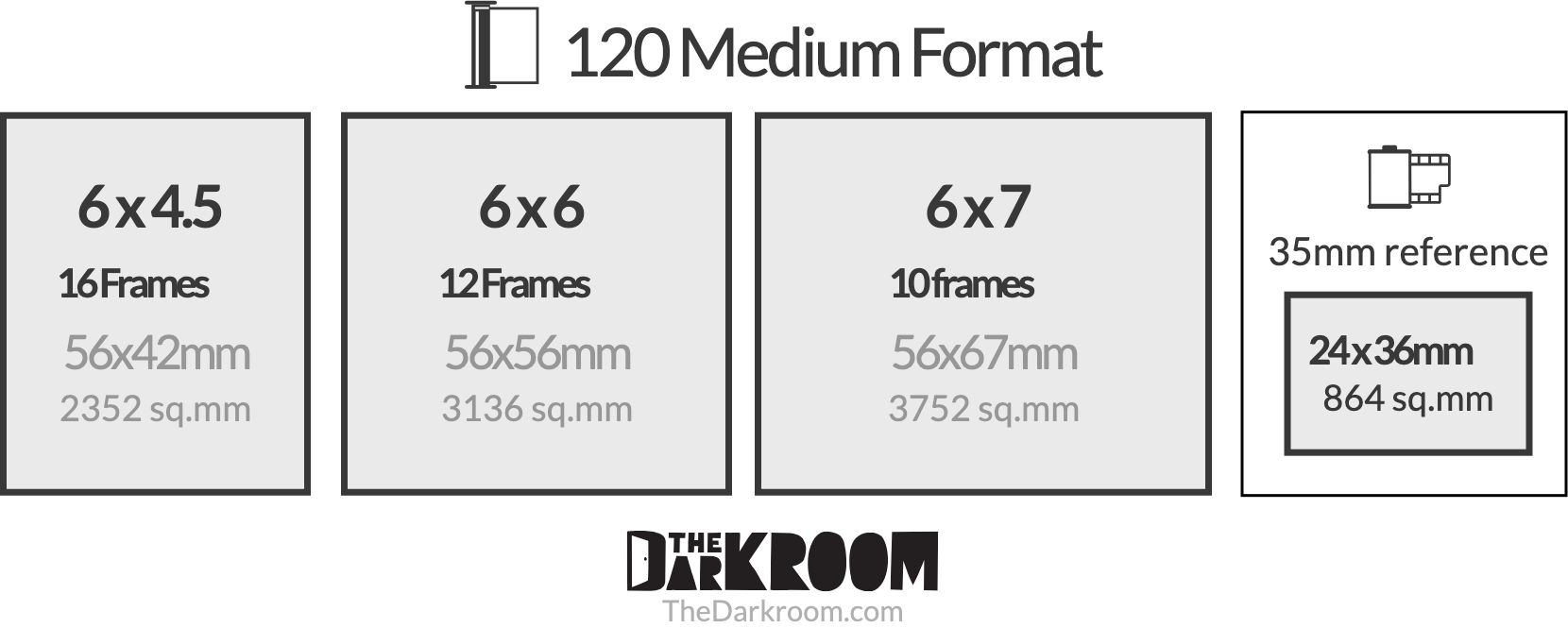
Initially I was leaning towards 6x4.5, because I was purely thinking economically, 120 film is about the same cost as 35mm film, but you get 16 frames, versus 36 frames on 35mm, that makes the cost per frame go way up, but that's the most economical. 6x7 and 6x9 were out of the question with 10 frames and 8 frames respectively. As I'm learning the format, testing gear, I don't think it makes sense to go that way.
Then came the debate of well, the 6x6 offers a unique perspective being 1:1 that none of the other formats offer, and ultimately I decided that I wanted to try something new. It makes me think and pushes me in terms of composition as I'm used to 3:2 with 35mm and my digital cameras.
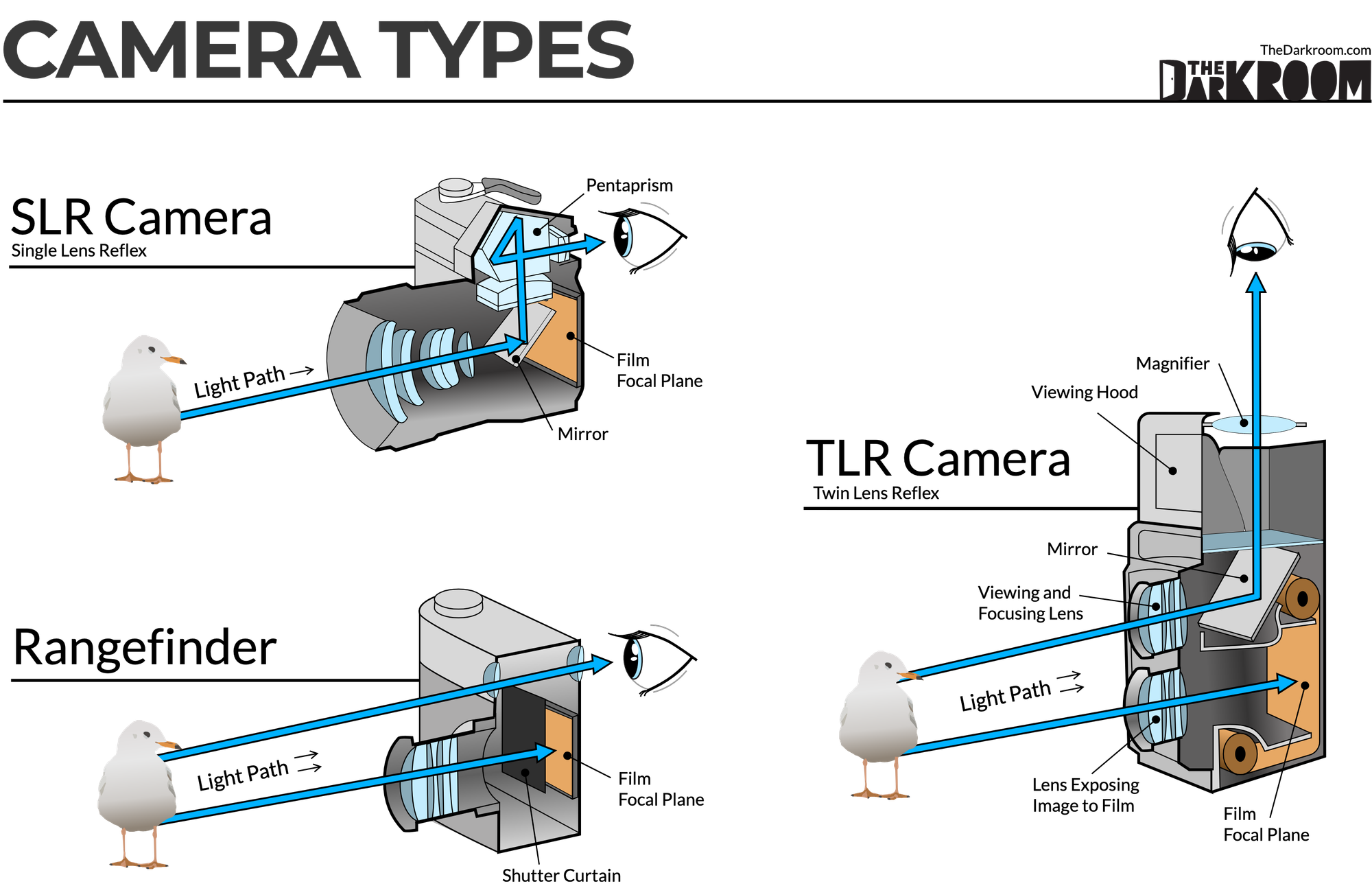
Now we're at the point, I'm sold on medium format, I'm sold on 6x6, but now there's still two more factors to nail down, what type of camera do I want, then what camera to choose.
While I loved the idea of a rangefinder, the Mamiya 6 and Mamiya 7 both being the de-facto standard for medium format rangefinders, neither was 6x6, and neither were in my budget.
This brings me down to the TLR, and the SLR, which honestly I think feels more authentic to the film experience I was looking for.
Like any photographer with gear acquisition syndrome, I immediately looked into the Hasselblad 500c/m, because why not just buy the best, that being said with used Hasselblad prices being in the 1.8-2.2k range, I just couldn't justify spending that kind of money. After a lot of back and forth I narrowed it down to 3 different cameras
- Bronica S2A
- Yashica Mat-124G
- Mamiya C330 Professional
Zenza Bronica S2A
The S2(A) is Zenza Bronica's competitor to the Hasselblad 500, they have a similar design language, have a similar shape, and have a similar component structure consisting of the main body, the film back, and the lens. The main body includes the ability to remove/change out the viewfinder as well to accommodate a prism finder, or the waist level finder these usually come with. These commonly came with Nikon Nikkor and their own Bronica Zenzanon lenses that had a couple that were partnered with Carl Zeiss.
Pros |
Cons |
|---|---|
|
|
Yashica Mat-124G
The Yashica Mat-124G is the only camera on my list with a built in light meter, which was both a pro and a con in my mind as it provided yet another place for it to fail, but I would've been really annoyed if it didn't work, but also would be really convenient if it did work. The Yashica brand is one I trust, my SLR is a Yashica, I even have an Electro 35 GSN, I've been overall happy with their products.
Pros |
Cons |
|---|---|
|
|
Mamiya C330 Professional F
Being a professional level TLR the Mamiya C330 Professional F had the bellows for focusing allowing for a close focusing distance, something other TLR's did not have. It had a variety of lenses from 55-250mm, which allows for a lot of flexibility in it's use. This is a TLR you could even use for street photography, then take to the studio, truly a professional grade camera.
Pros |
Cons |
|---|---|
|
|
Ultimately, I made the decision to buy the Bronica S2A, I found one for a reasonable price from Japan on eBay, and managed to negotiate the price down a little. Shipping was incredibly quick with it arriving at my house in 3 days, which I was absolutely astonished about, as most of my international shipping experiences have taken weeks to months to receive the items.
The camera was packaged well, with everything packaged individually, in zip-loc bags with desiccant to prevent mold, then wrapped in multiple layers of bubble wrap. Outside of the bubble wrap then everything was wrapped in paper. Took me like 5 minutes to get everything unwrapped, but that just shows the attention to detail that went into packing the camera up.
The condition of the camera is overall good, I pulled it apart and blew off any dust and wiped down all the glass surfaces just to ensure that everything was clean.
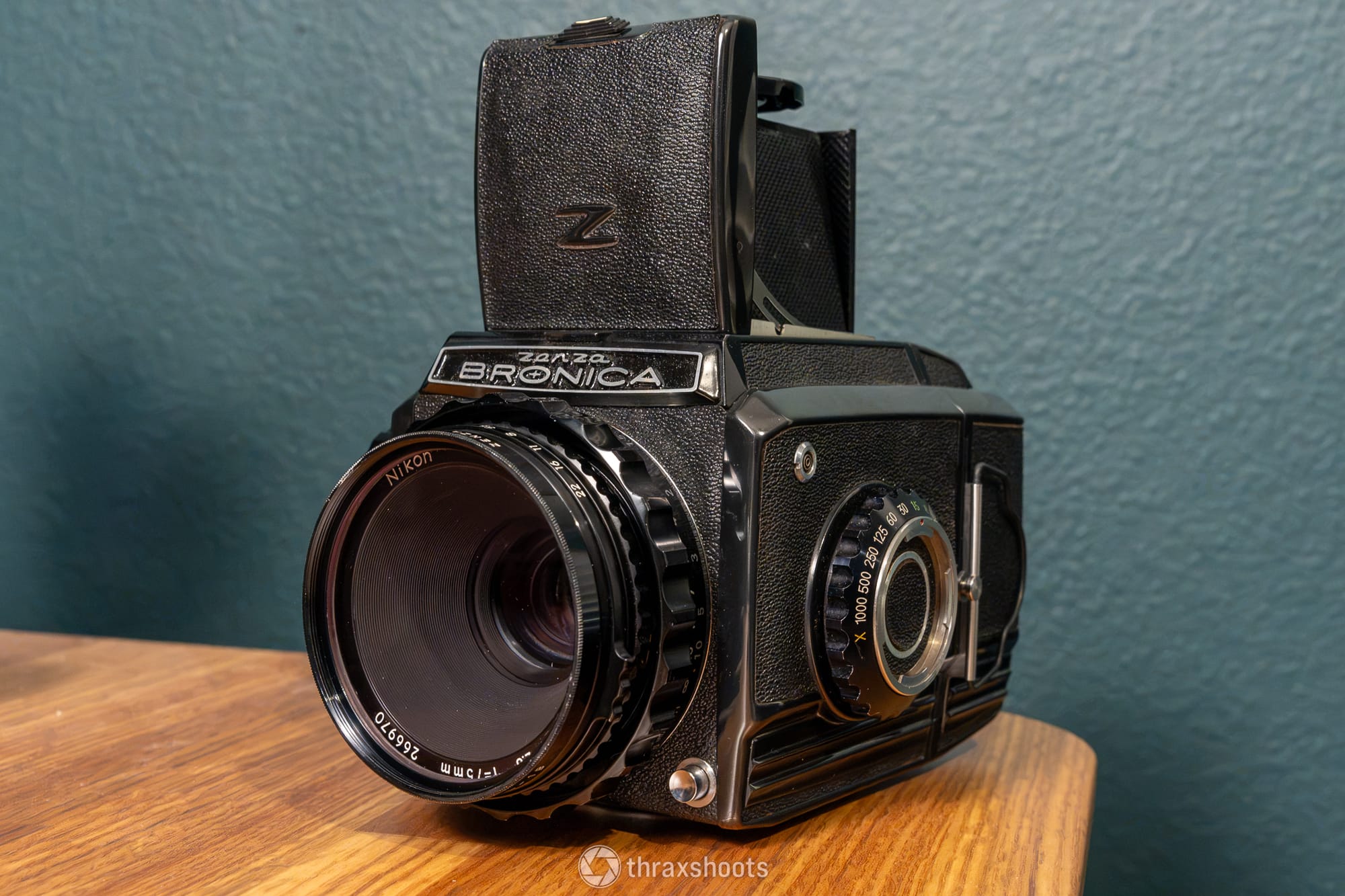
I watched a handful of youtube videos to get a feel for the operation, loading sequence, unloading sequence, and just learning the nuance of how the camera works, and how medium format works as I've only ever shot 35mm and digital, there's a little bit of a learning curve, but honestly it's not that bad, after the first roll I feel a lot more confident in using this camera. It felt scary, but really it was not bad.
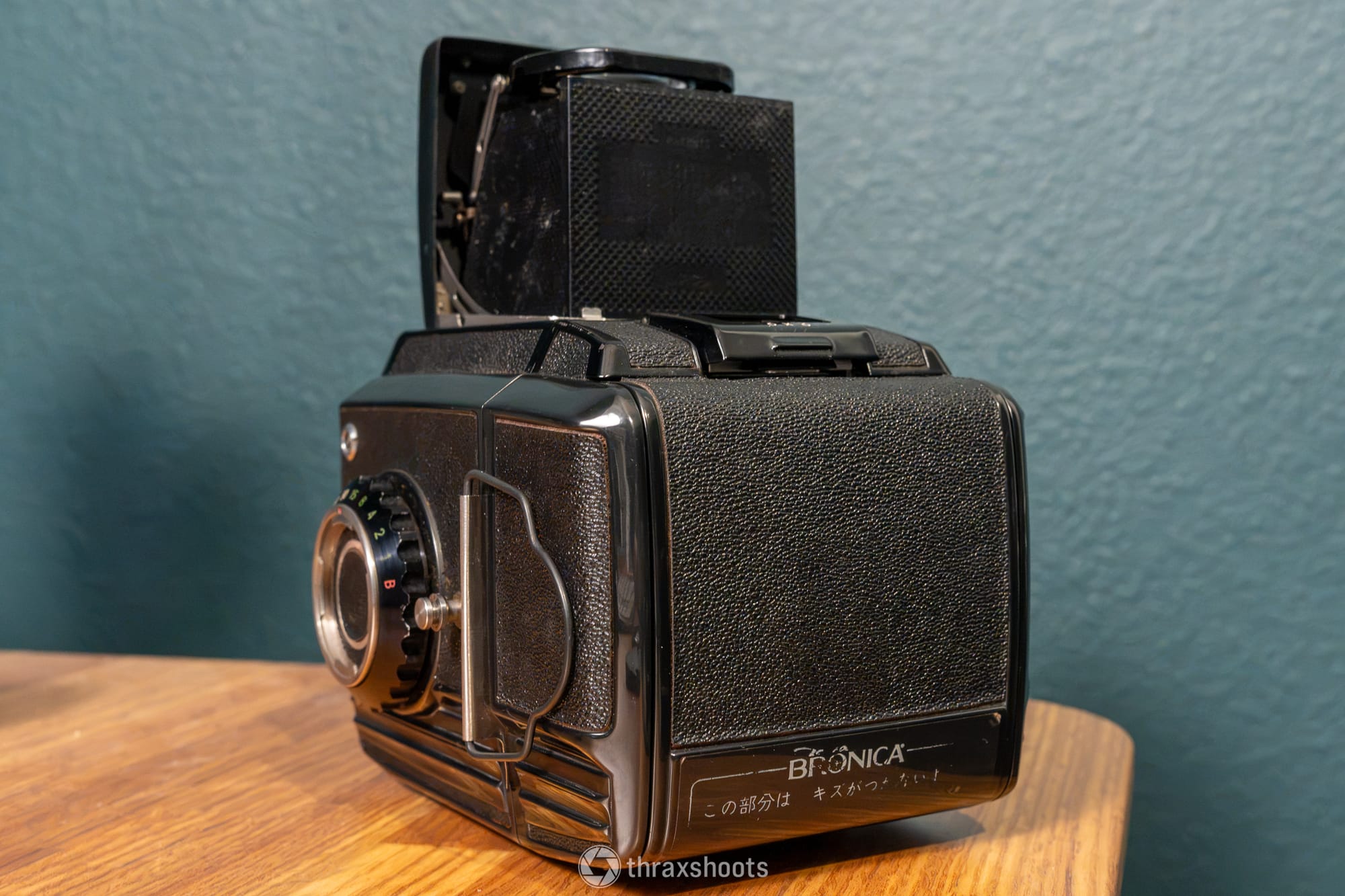
So, now that everything was cleaned off, I know how the camera works, it was time to test it out. I loaded it up with a roll of Kodak Gold 200, and headed down to the local downtown area to go for a walk and take some pictures of what was around, I chose to do this around 9-9:30 in the morning so I knew there would be good bright sun to account for the 200 ISO film I was running.
Since the camera does not have a built in light meter, I was using a phone app to help me meter the pictures, I've thought about getting a handheld light meter, but so far the app seems to work pretty well, and it keeps track of what settings were used for what frame in the picture, which is nice to have when I get my film back, so I can see if there are any tweaks or differences I would do next time.
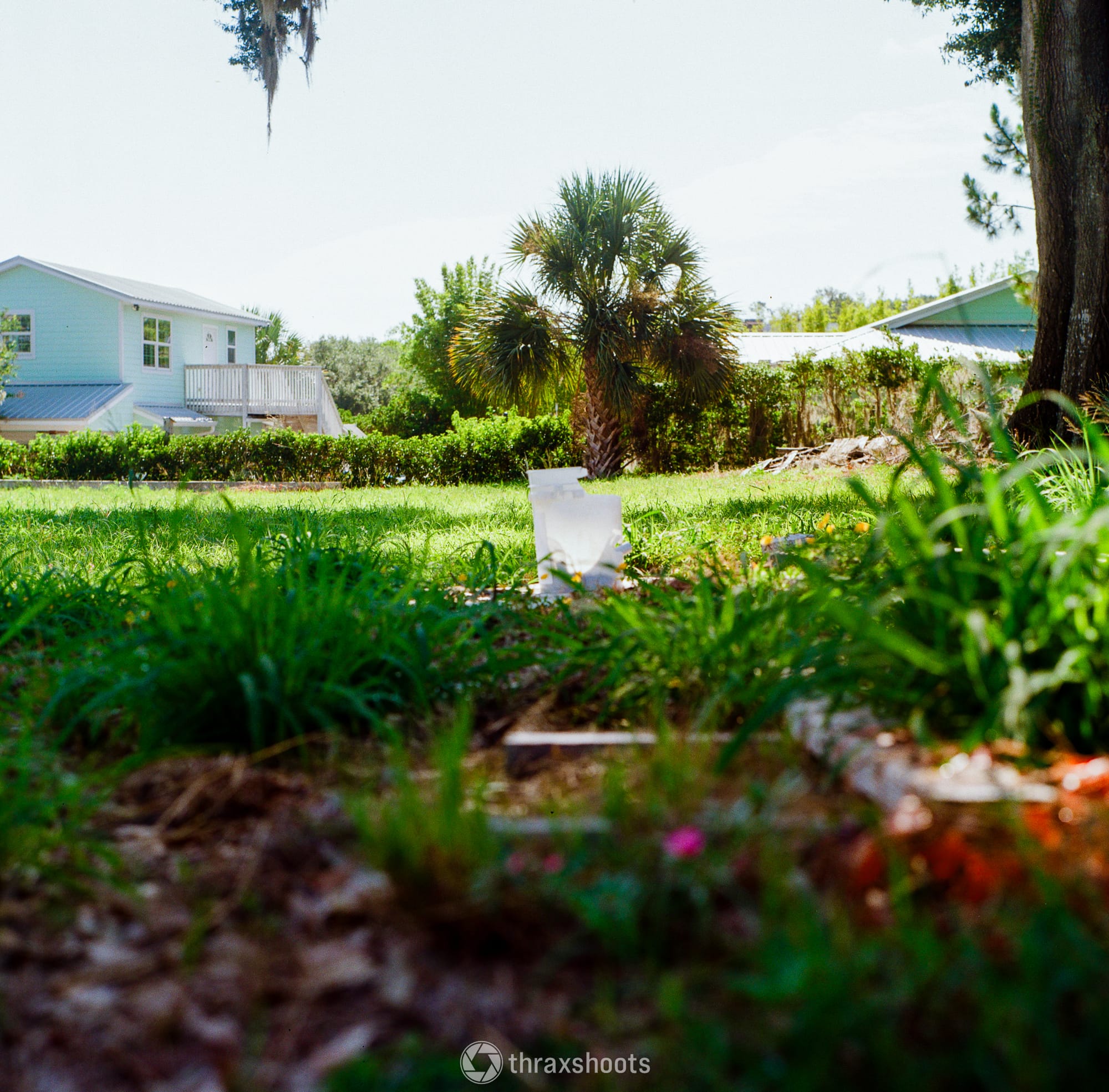
Overall shooting with this camera is a good experience, feels very manual and raw, my biggest gripe is just trying to nail focus is a bit of a challenge. While I love the waist level finder, it's just hard to get the focus feeling really sharp, and especially when you're using a wide/open aperture, it's very very challenging, as seen with this picture below where I was trying to focus on the yellow flowers, and I missed.
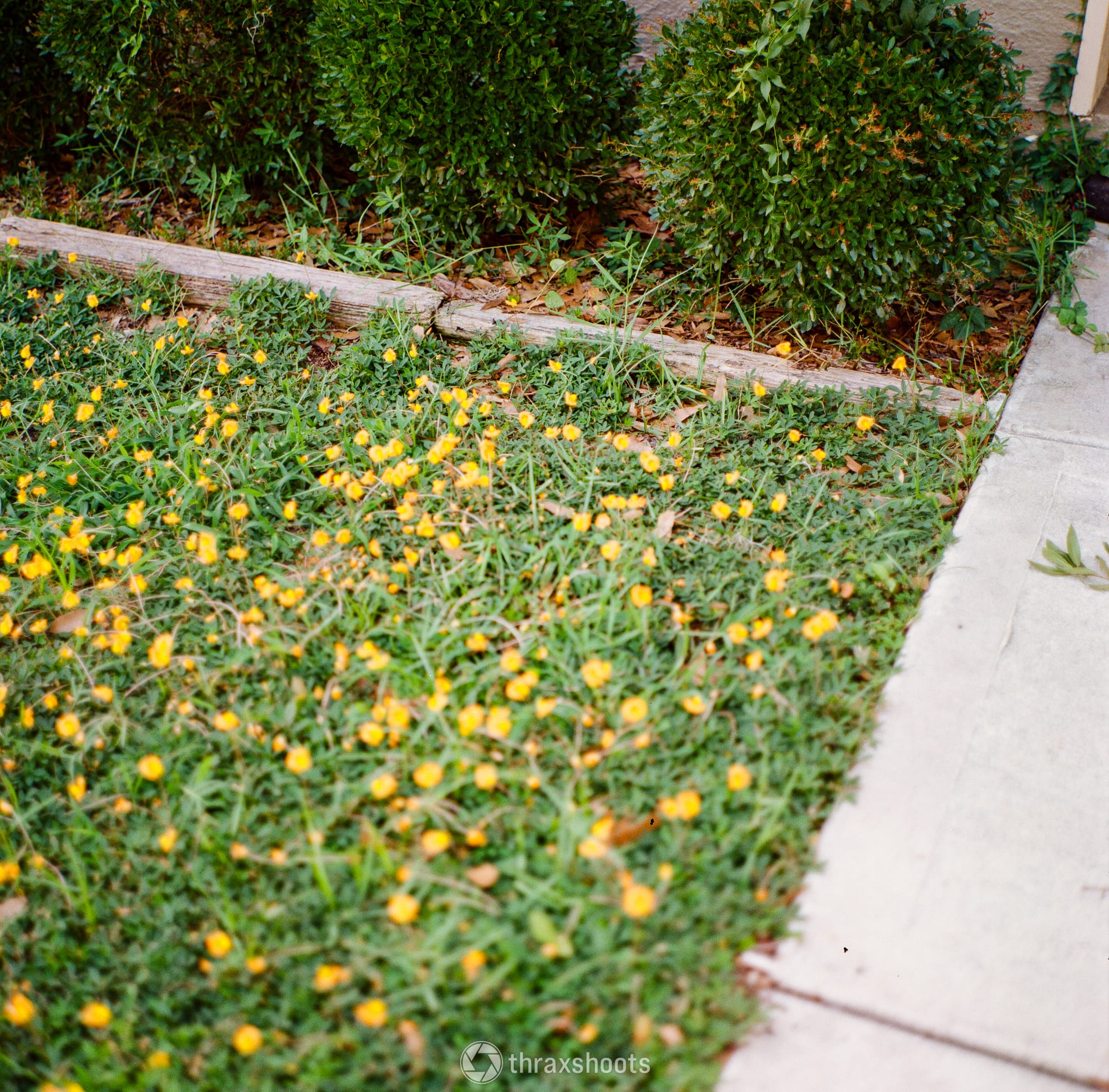
That being said I likely won't be using f/2.8 much unless it's a really low light scenario and the object is further away allowing me to actually get the focus better.
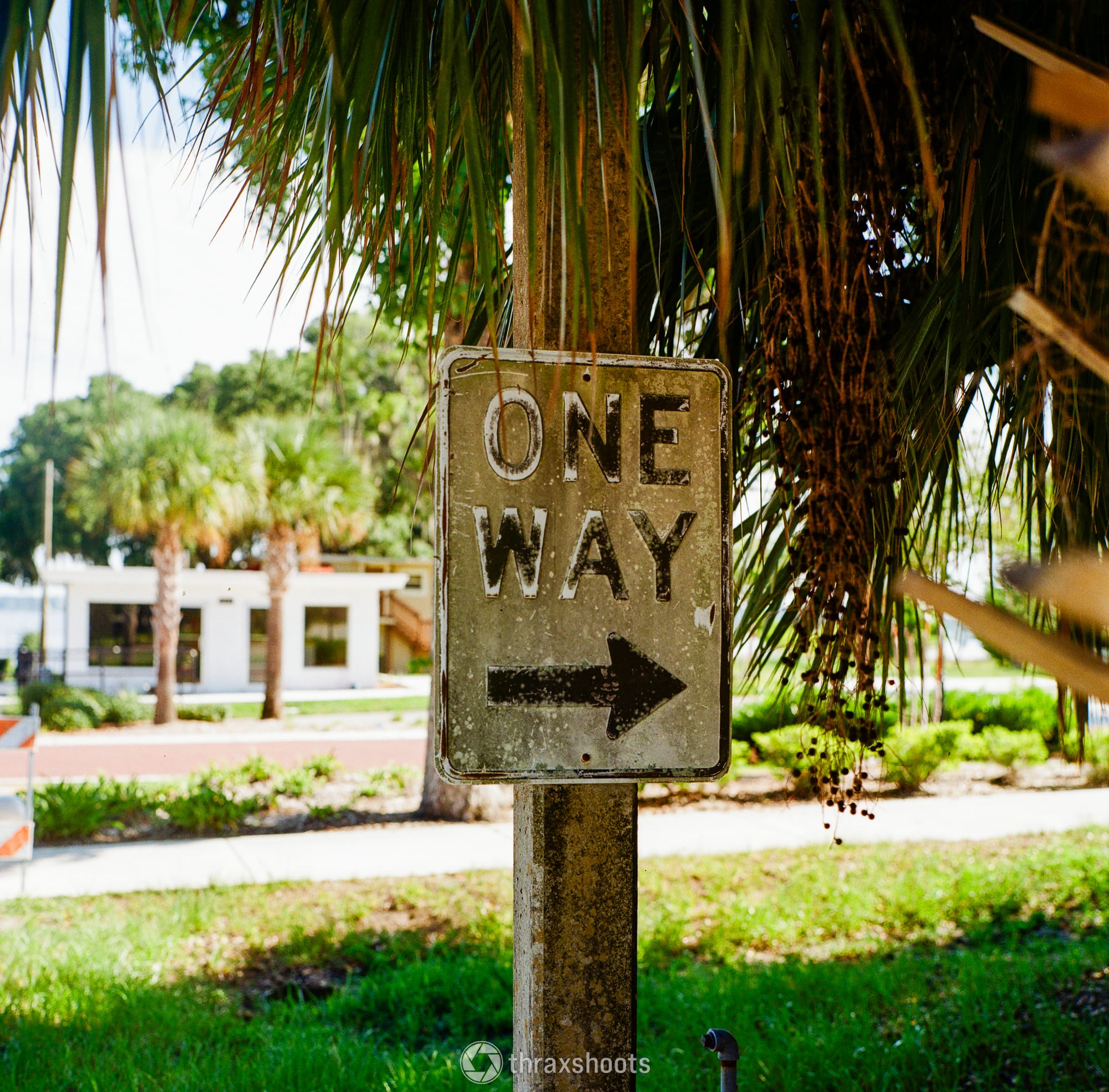
The shutter sound on this camera though, all the posts and stories talk about how loud it is, and honestly, it was still louder than I was expecting, it's satisfying, and every time I took a picture I always looked around because I know if I was standing around and heard that, I would look wondering what was going on.
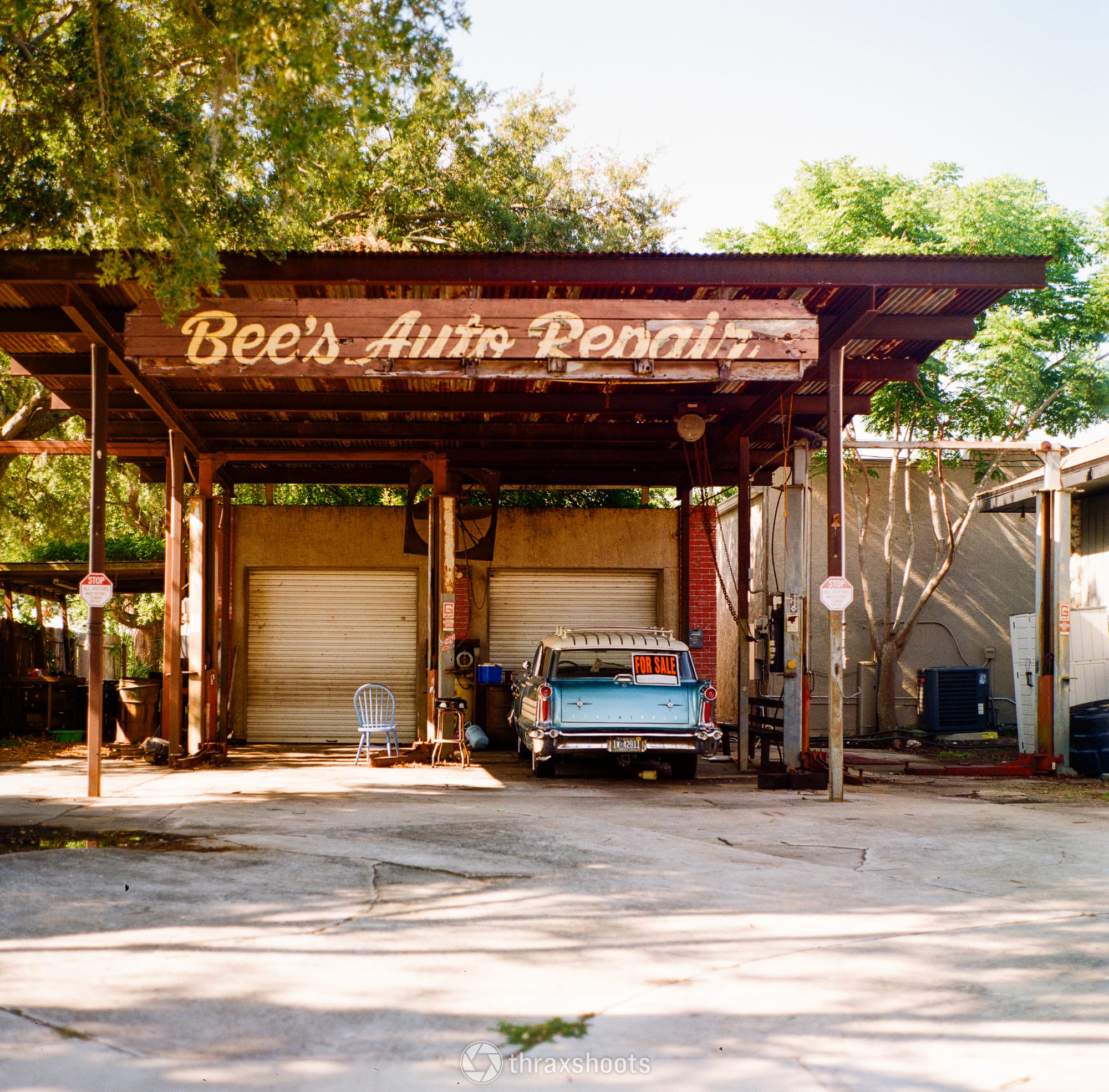
The one gripe I have about this camera currently is that due to the weird design of the strap, I'm still working out how to attach my peak design anchors so I can use my peak design neck strap which will make this more enjoyable to carry around. I do have the one that came with it, but I'd like to keep that one how it is and save it, along with the original manual in Japanese.
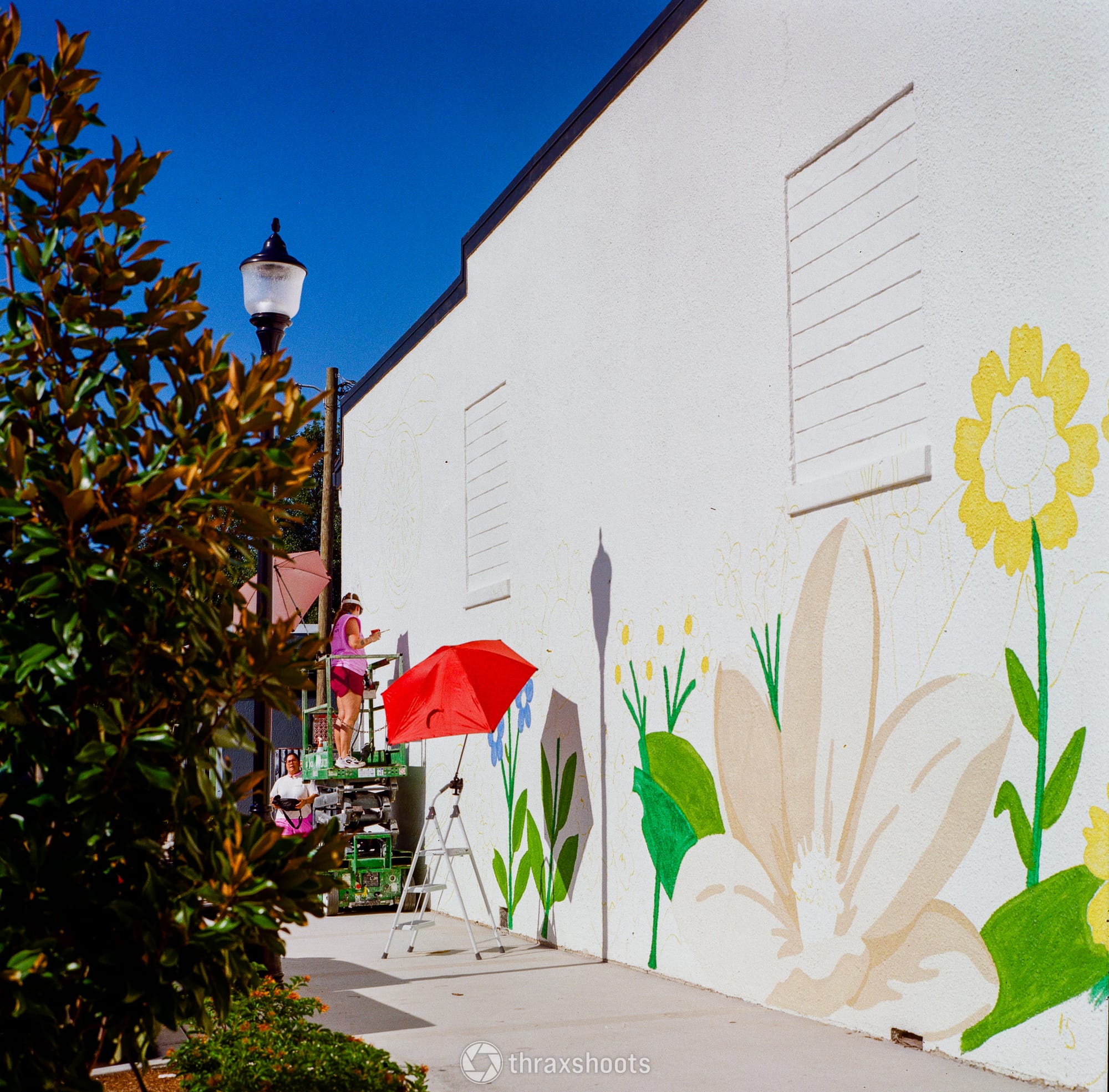
Overall, I think this is a solid camera, I'm glad I bought it, and I really can't wait to shoot some more rolls of 120 in this camera and really embrace the 6x6 medium format photography.
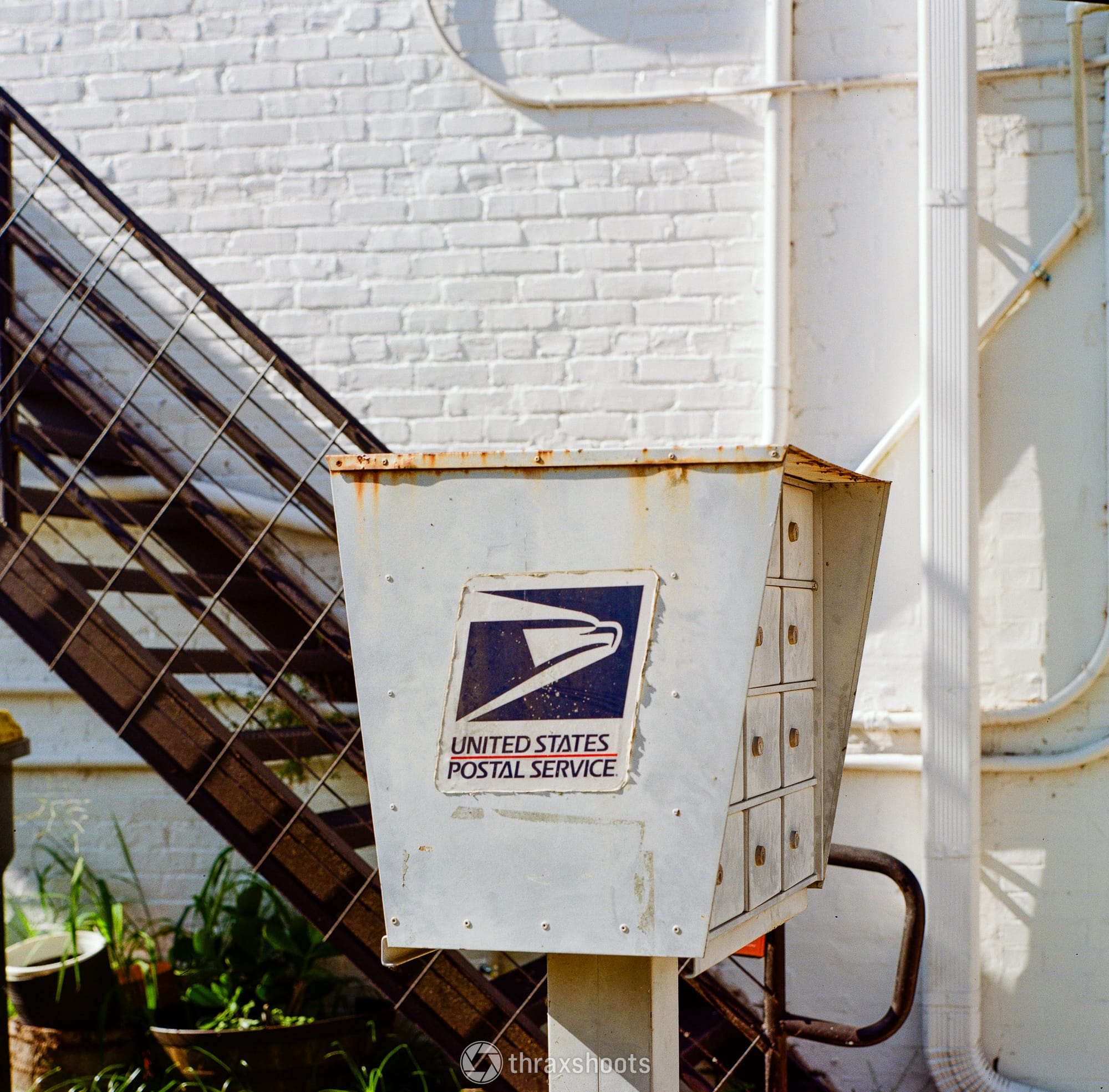
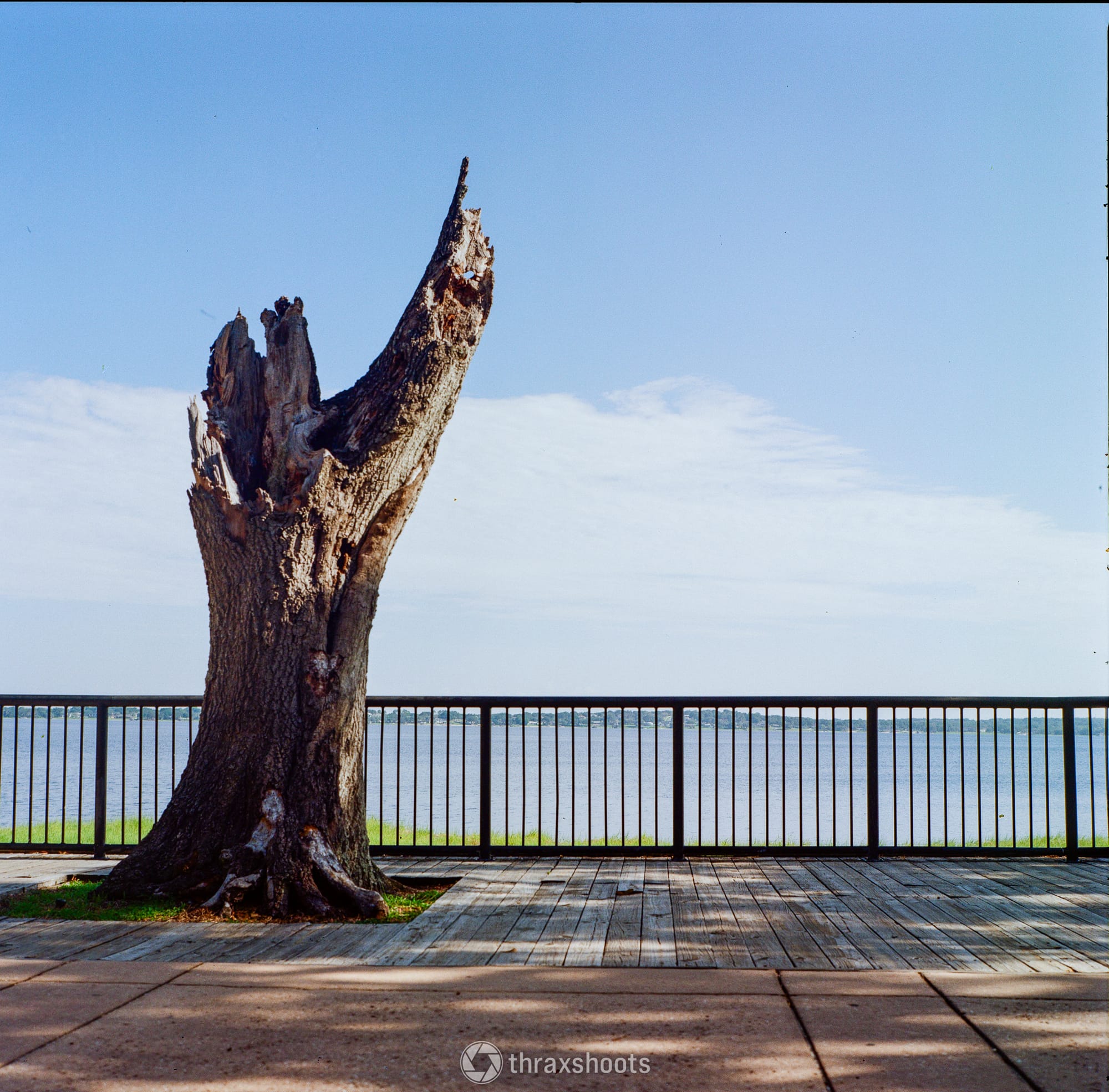
Full Gallery: https://gallery.mrthrax.co/gallery/9Un4yVDBVhi8m49zULlCG_n4