First Outing: Birding with the Sony 200-600mm
Stepping into bird photography with the Sony FE 200-600mm f/5.6-6.3 G OSS! I took this telephoto beast out for its first field test at the Oakland Nature Preserve in Central Florida to see how handholding holds up on a casual wildlife walk.
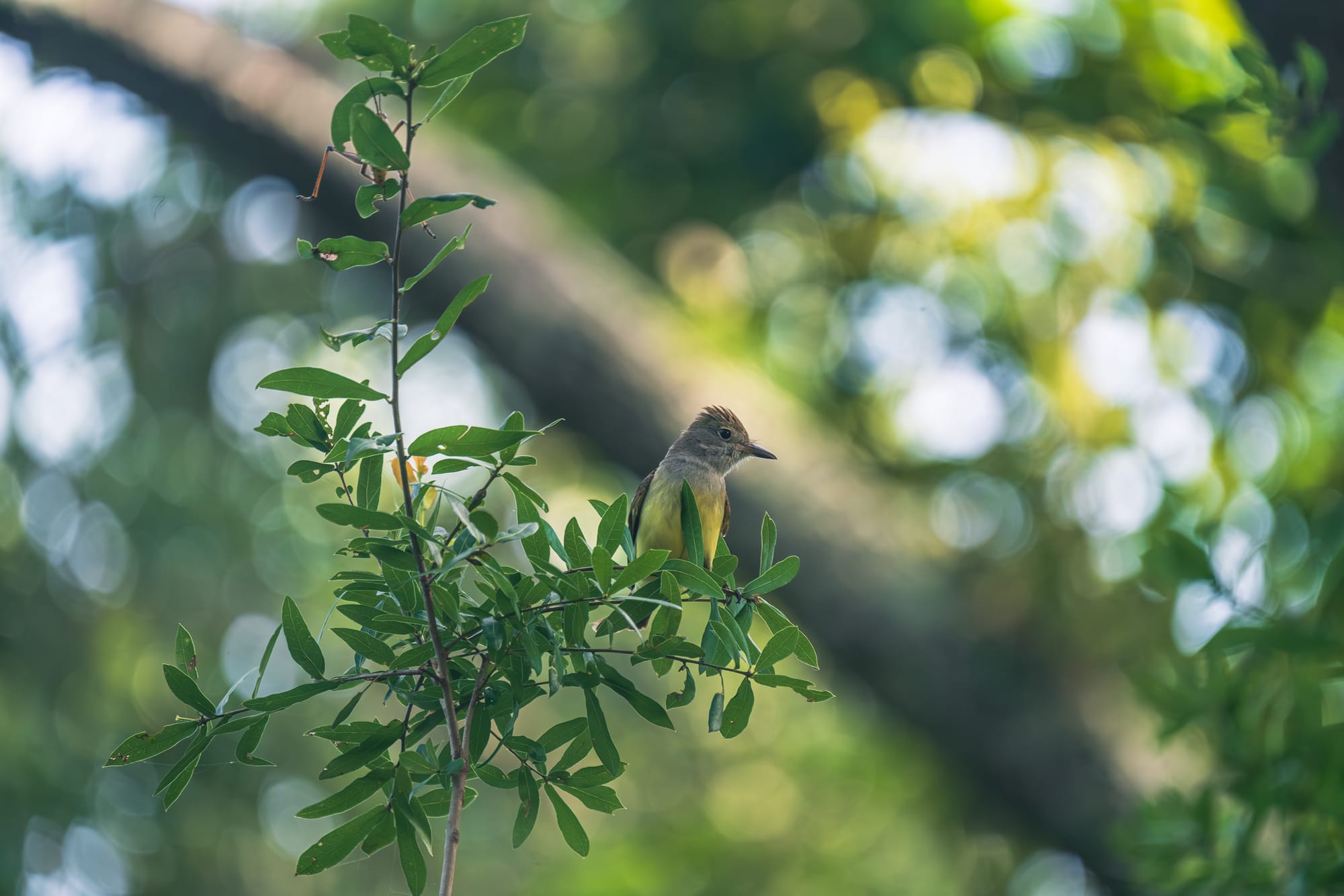
I feel like there comes a time in every person's life, when in their mid-30's they have to settle on an adult hobby if they haven't already picked one. This usually includes something like Golf, Birding, Baking Sourdough, Pottery, Knitting/Crochet. I already had cars, computer gaming and photography in my hobby chest, but I decided I needed something that forced me to be outside, and be active. This is when I went with the next logical step, that I should try my hand at birding. After a couple walks around the Oakland Nature Preserve in Oakland, Florida, I decided that I needed a nice big zoom lens to do some birding, which was going to be my adult hobby.
I spent a lot of time reading reviews, doing research, and overthinking my choices, and eventually decided on the Sony 200-600 f/5.6-6.3 G OSS. I ultimately picked this lens on a few key choices over the competition, with the #2 choice being the Sigma 60-600 f/4.5-6.3. The big differentiators for me were
- Native Sony lens allows above 15fps shooting. While my current body only shoots 10fps, I intend to keep this lens for a while, long enough for a body upgrade.
- Internal Zoom. I really like the idea of the zoom elements being inside the lens body knowing that this is going to be outside, in various elements.
- Internal Focus. Like internal zoom, this was important for the same point.
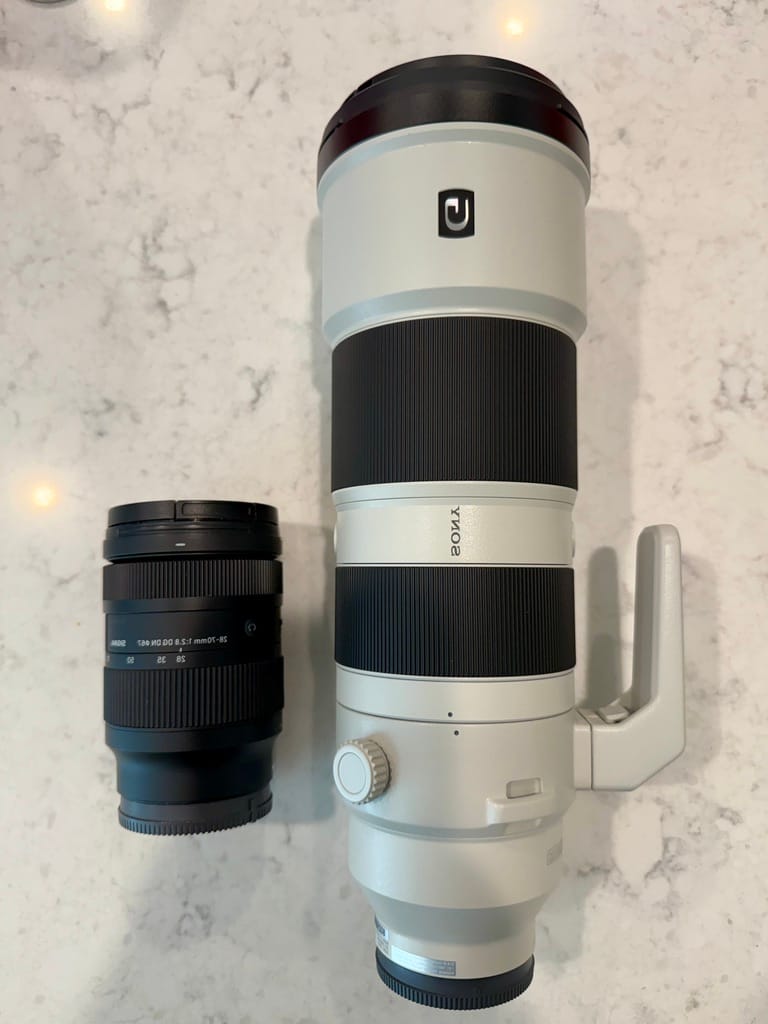
While I knew the lens was large, I was not quite prepared for how large this lens was compared to my 28-70 f/2.8, I bought this lens only having watched videos and reading about it, but that doesn't really quite put into perspective how big it is in your hands.
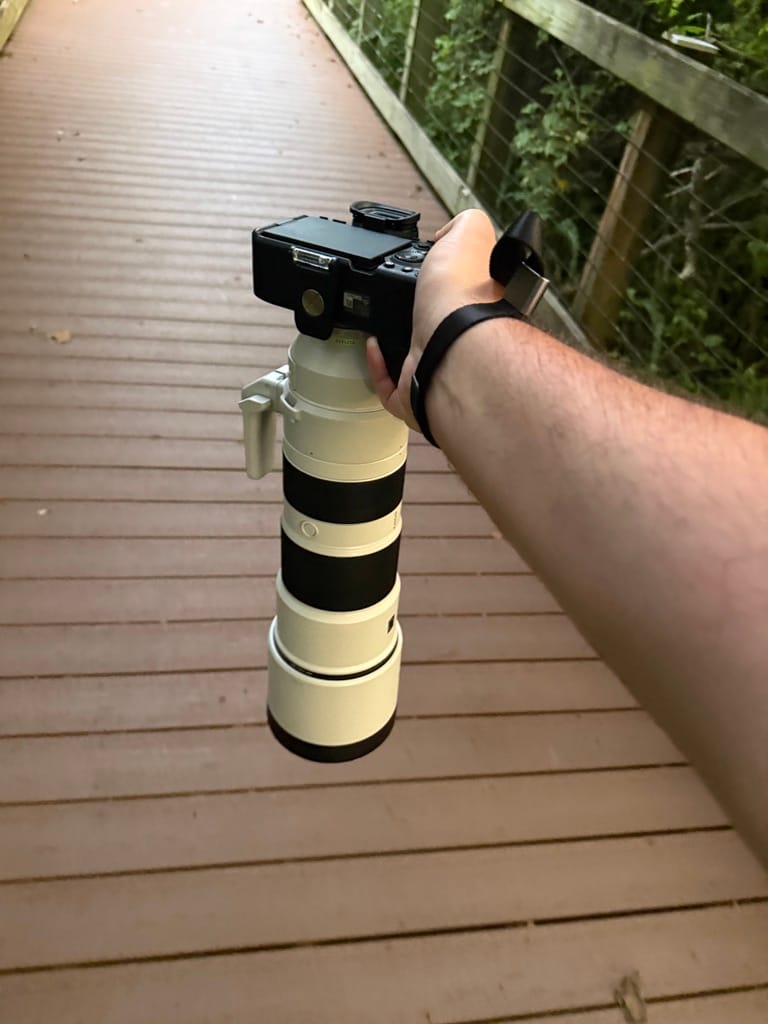
Equipped with just a wrist strap and some hopes and dreams, I went for a nice walk on the Healthy West Orange Boardwalk at the Oakland Nature Preserve. It's a nice short walk, less than a mile round trip and has some nice areas to catch birds, and stop so I figured no tripod or anything would be fine. Thankfully I was right, while the lens is heavy, most of the time I wasn't holding it up in a way that caused any strain or issues with the size/weight of it.
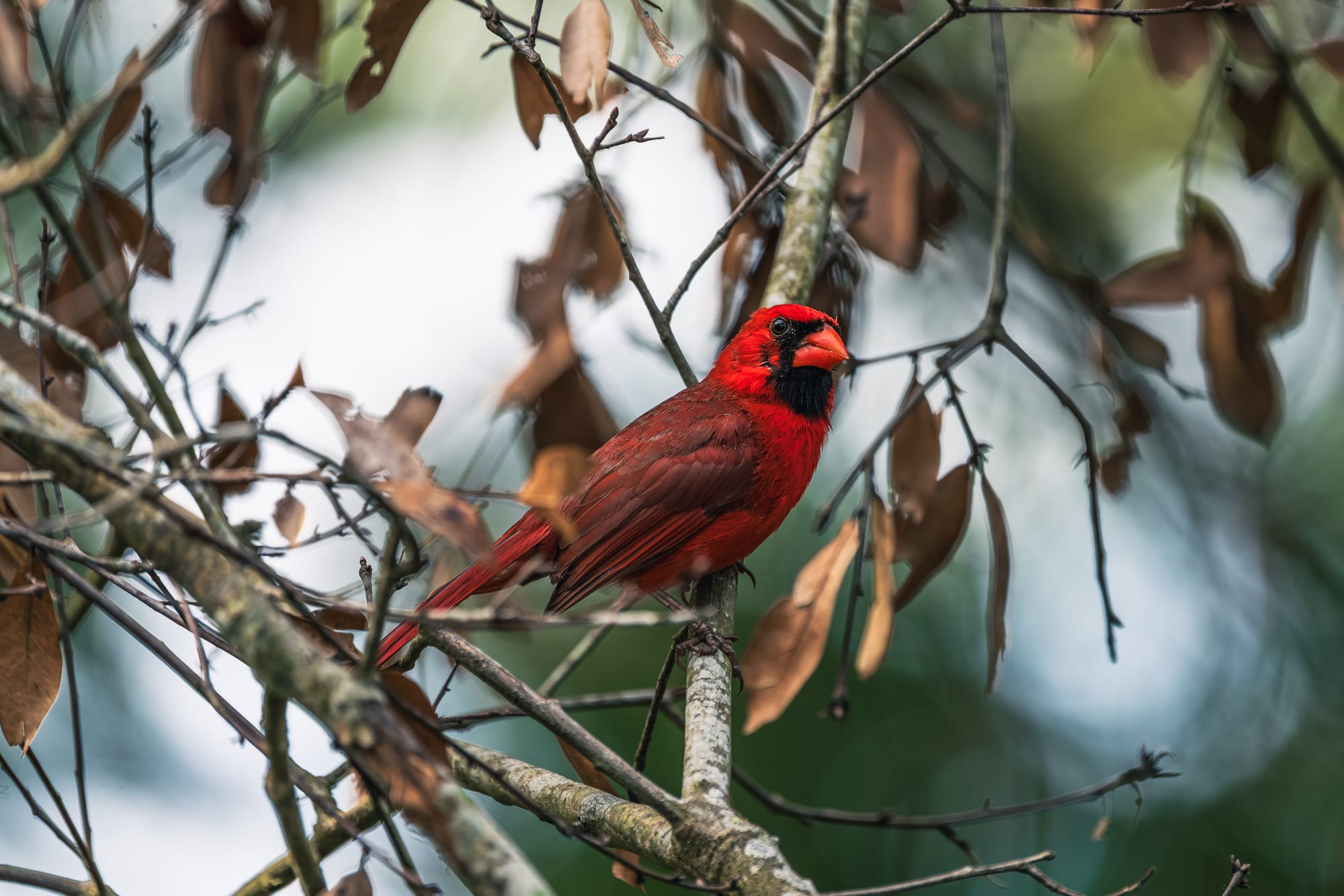
This lens paired with the a7iv gives me good reach, but also provides a nice level of crop ability without ruining the detail, which I'm grateful for as the above Cardinal was not as close as it looks.
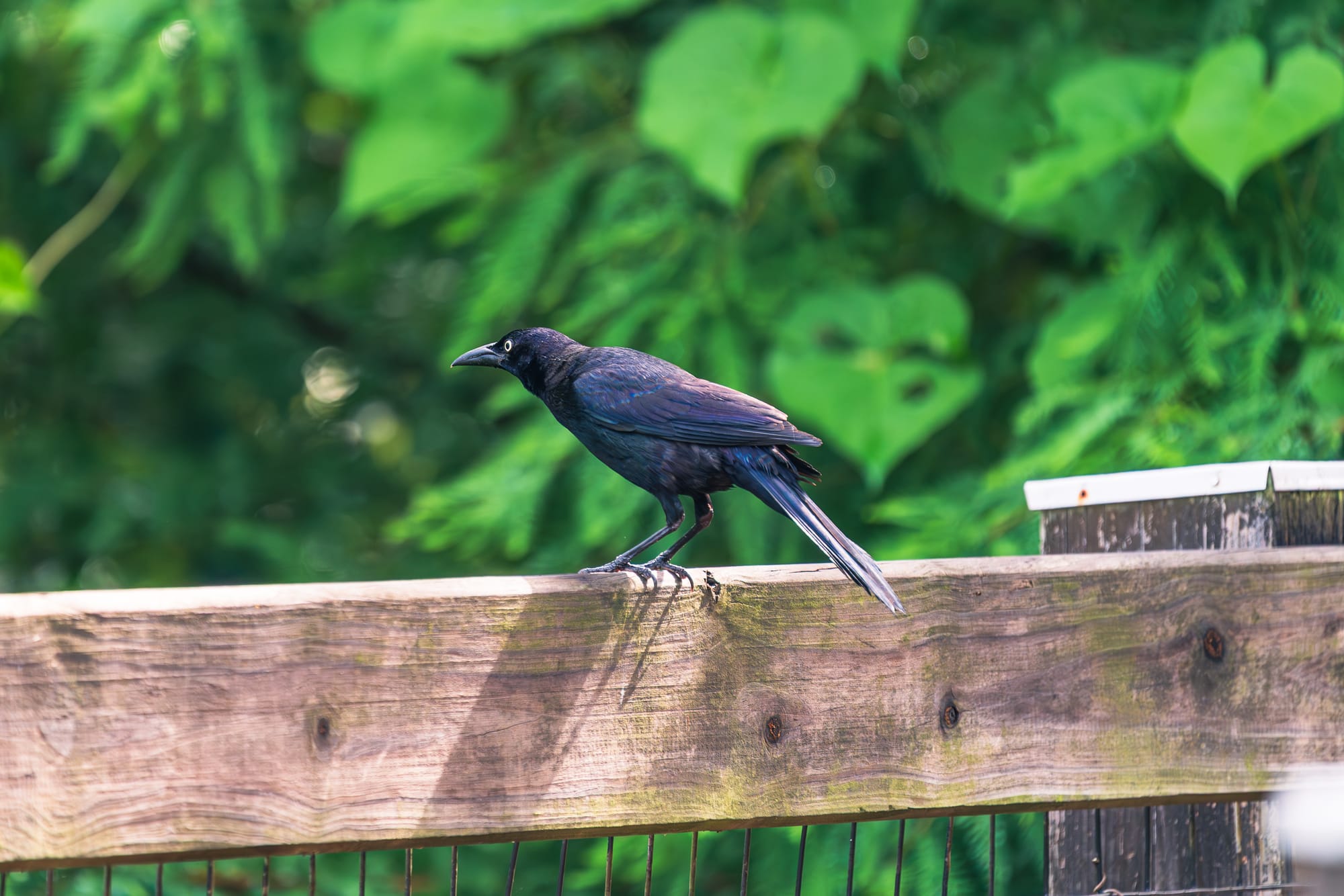
Since the walk was not too long the weight of the lens was not too cumbersome, but if I'm walking multiple miles, then I think a monopod, or a nice carrier that'll allow me to have the camera/lens weight held by something other than just my arm will really be a need.
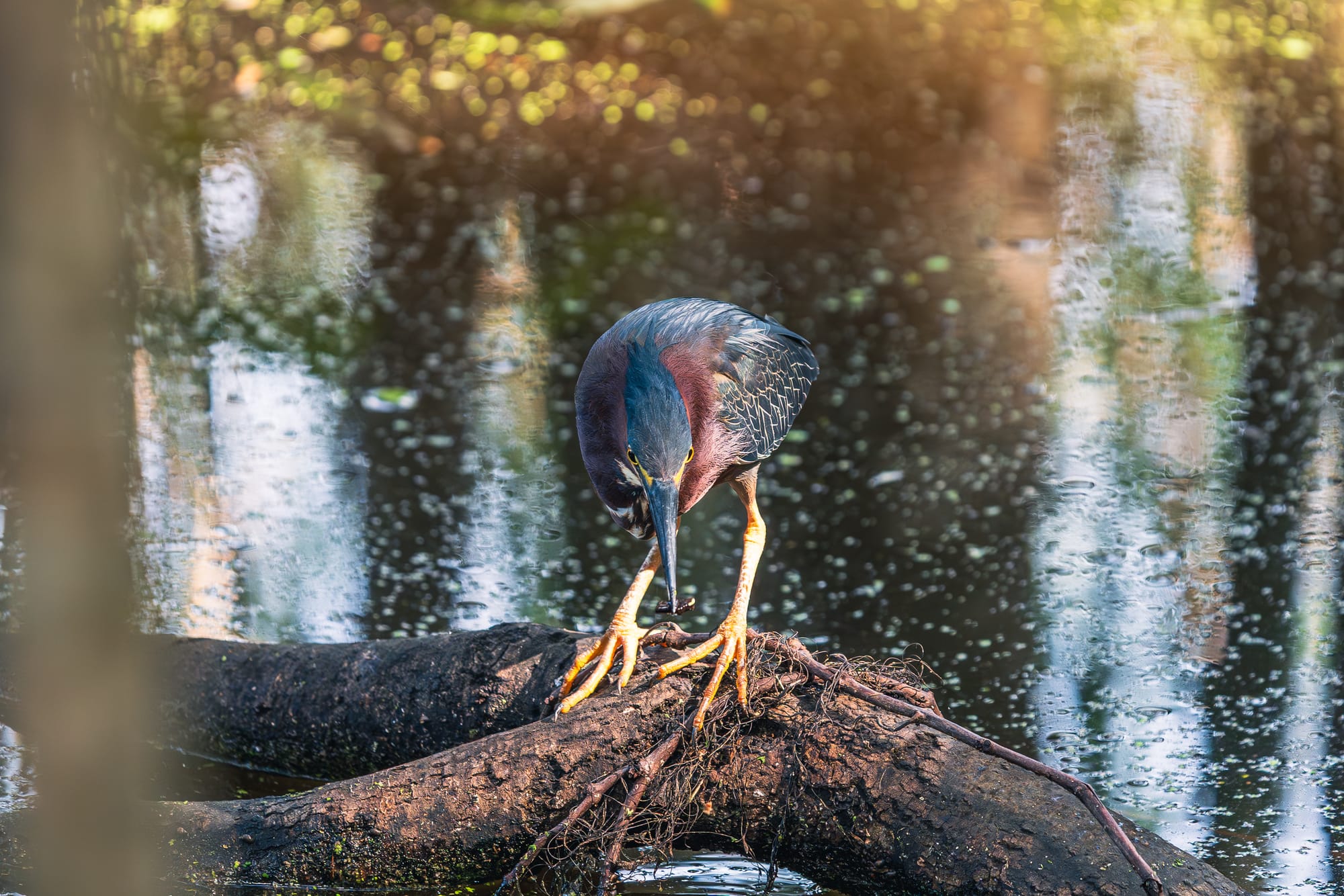
Overall I'm quite happy with this lens, I'm happy with the optics, the quality is good. I really like the internal zoom and focus as it feels solid in your hands even if you're panning and adjusting zoom trying to catch a flying away bird.
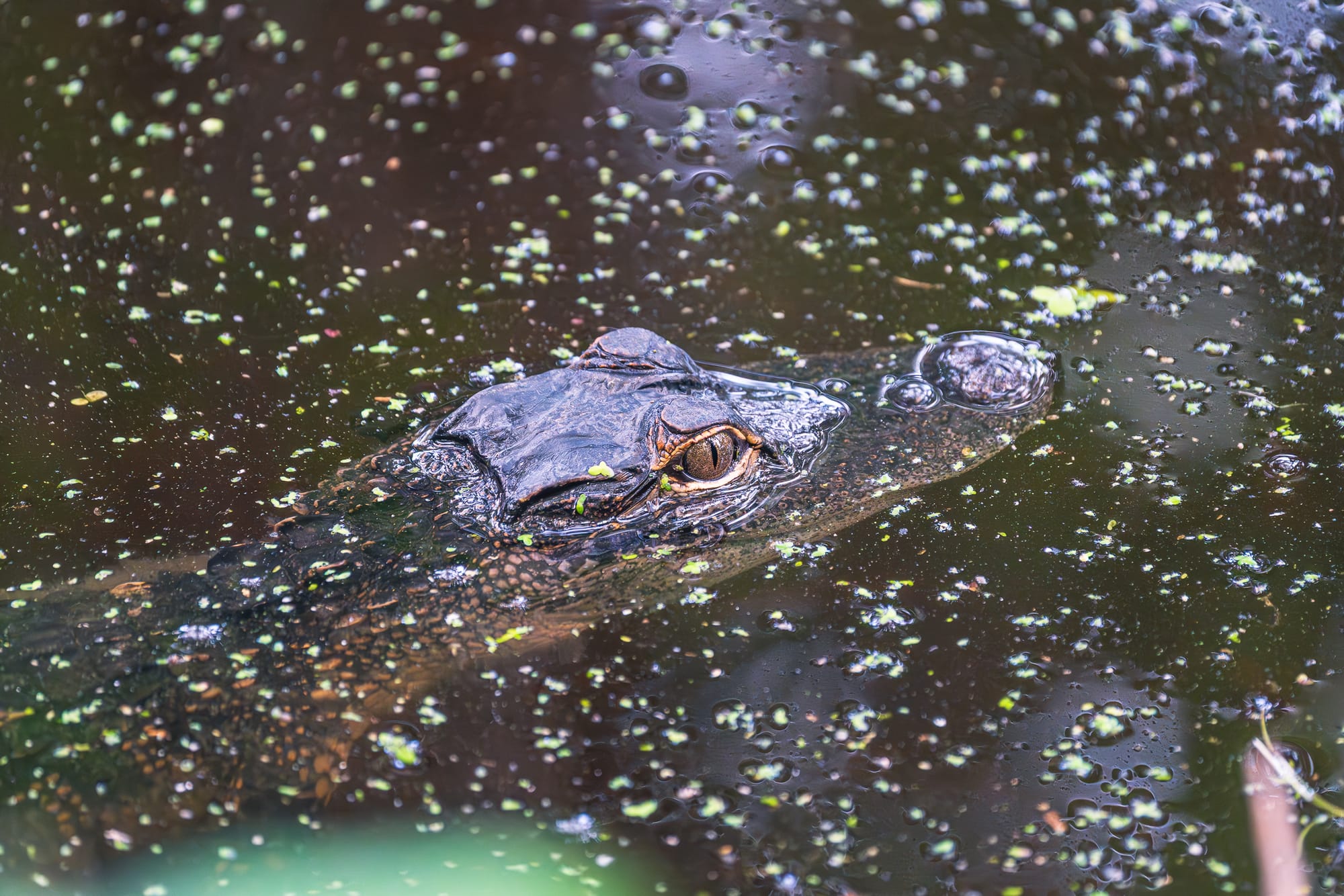
And finally. obligatory swamp puppy tax. I saw this little guy hanging out in the water and couldn't resist snapping a picture of him.
-Randy